
 27Nov 2026Blog
Prepared Before the Storm: Seasonal Risk Guides for Insurance Agencies
Storms, freezes, and wildfire season bring real risks. Learn how insurance agencies can publish helpful seasonal guides that inform clients and build…
Read More
A patient in Tampa needs a crown but delays scheduling because she isn’t sure how she’ll pay for it. She checks the dental practice’s website and finds nothing about payment options. A month later, a friend mentions that another practice in town explains its monthly payment plans right on its website. She books there.
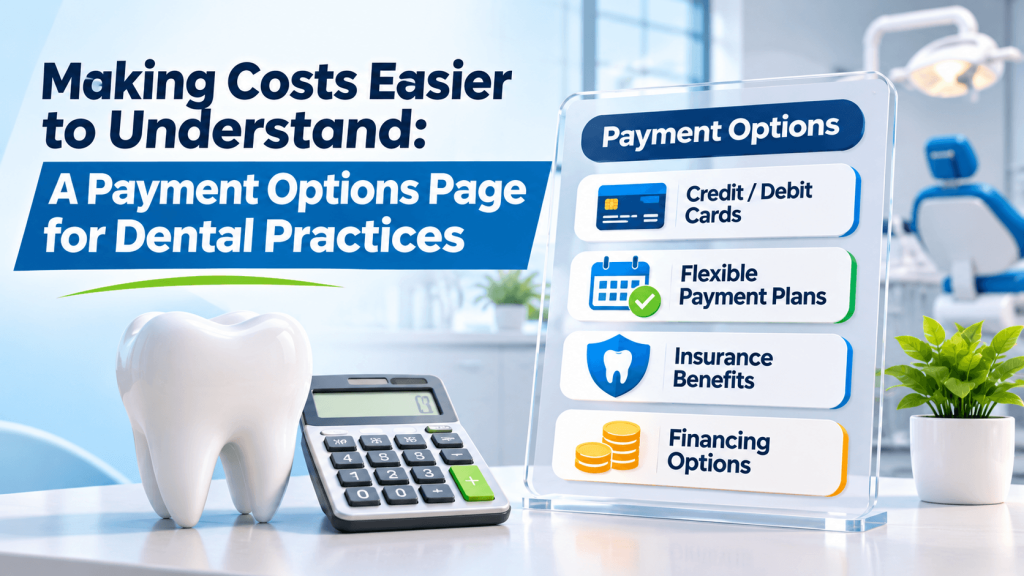
Cost concerns stop many patients from moving forward with treatment. A clear payment options page helps them plan and shows that your practice wants to make care accessible.
Cover the questions patients ask most often:
Explain terms plainly, and avoid language suggesting guaranteed approval or free care unless that’s accurate.
Financing comes with rules. If you promote third-party financing, describe it accurately and link to the lender’s terms, since interest rates, deferred-interest promotions, and credit checks can apply. The Consumer Financial Protection Bureau has raised concerns about medical credit cards and deferred-interest plans, so transparency protects both patients and your reputation.
For uninsured or self-pay patients, the No Surprises Act requires most providers to give a good faith estimate for scheduled services. Explain on the page how patients can request one.
Patients often check your Google Business Profile and directories before visiting your website. Keep any mention of payment options, financing, or membership plans consistent across all of them.
A general directory such as Sezza includes a Dental Care category where patients compare local practices, and it shows how others describe their services and patient options. If your listing description has room, mention that payment options are available and link to your website.
A common mistake is advertising low monthly payments without explaining the terms behind them, which can leave patients feeling misled when the first statement arrives.
Clear payment information removes one of the biggest barriers to treatment. Explain options honestly, describe financing carefully, and keep details consistent across your website, profiles, and listings like Sezza.
Some practices share starting prices or ranges for common treatments, such as cleanings or whitening, while explaining that final costs depend on an exam. Others focus on explaining payment options. Either way, make it easy for patients to request a personalized estimate before treatment begins.
It’s a program some practices offer uninsured patients, typically covering preventive care for an annual or monthly fee, often with discounts on other treatment. It isn’t insurance. If you offer one, explain clearly what’s included, what isn’t, and how billing and cancellation work.
Only if it’s accurate, and include the important terms. Some promotional plans charge deferred interest if the balance isn’t paid in full by a certain date, which can surprise patients. Link to the lender’s full terms and encourage patients to read them before applying.
Usually not. Many financing options and in-house plans are open to both insured and uninsured patients, though third-party financing typically requires a credit application. Explain eligibility clearly and have staff ready to help patients understand their options before committing to treatment.

Practical guides to finding and choosing trusted local businesses.
27Nov 2026Blog
Storms, freezes, and wildfire season bring real risks. Learn how insurance agencies can publish helpful seasonal guides that inform clients and build…
Read More 27Nov 2026Blog
Virtual tours help buyers explore homes before visiting. Learn how real estate agents can use video and 3D walkthroughs accurately and effectively.
Read More 27Nov 2026Blog
Many drivers don't know the difference between OEM and aftermarket parts. Learn how auto shops can explain parts choices clearly and build…
Read More