
 27Nov 2026Blog
Prepared Before the Storm: Seasonal Risk Guides for Insurance Agencies
Storms, freezes, and wildfire season bring real risks. Learn how insurance agencies can publish helpful seasonal guides that inform clients and build…
Read More
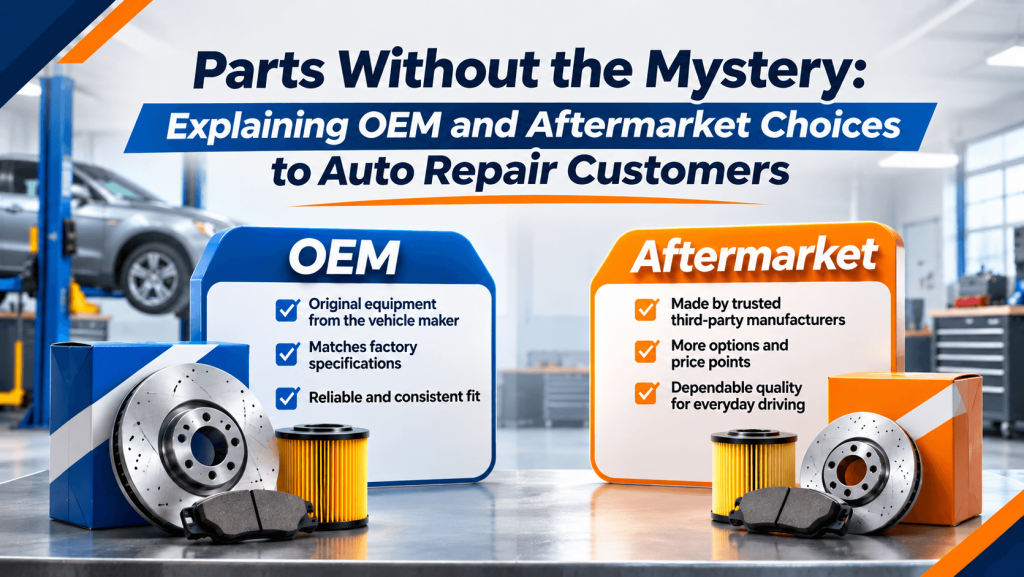
A driver in Kansas City gets two quotes for a brake job. One is noticeably cheaper, but neither shop explains why. When she asks, the first shop simply says it uses good parts. The second explains the difference between original equipment parts and quality aftermarket parts, outlines the warranty for each, and lets her choose. She trusts the second shop and books there.
Parts choices affect price, performance, and warranties, yet many customers don’t understand them. Explaining options clearly helps customers decide confidently and reduces disputes later.
Most repairs involve a few kinds of parts:
Describe the typical trade-offs in price, fit, availability, and warranty, without suggesting one type is always best.
Many customers worry that non-OEM parts will void their vehicle warranty. The FTC explains that under the Magnuson-Moss Warranty Act, a manufacturer generally can’t void a warranty or deny coverage simply because aftermarket or recycled parts were used, though it may deny coverage if those parts caused the damage.
Sharing this kind of accurate information, with a link to the FTC’s consumer guidance, helps customers make informed choices. Also explain your shop’s own parts and labor warranty for each option.
Add a short parts explanation to your website, show the parts type on written estimates, and train service advisors to explain options in plain language. Customers appreciate being offered choices rather than surprises on the invoice.
Directories help drivers compare shops before calling. A general directory such as Sezza includes an Automotive Services category where drivers browse repair shops and specialists, and it shows how others describe their services and warranties. Keep your listing’s contact details and service list consistent with your website.
A common mistake is quoting one parts type and installing another without telling the customer, which damages trust even when the substitute works well.
Drivers return to shops that explain their options honestly. Describe parts choices clearly, share accurate warranty information, and keep your website, estimates, and listings, including on Sezza, consistent.
Not necessarily. Aftermarket parts vary widely, from economy options to parts that meet or exceed original specifications, so quality depends on the manufacturer and the specific part. Explain which options you carry, why you choose certain brands, and how warranties differ so customers can decide.
Generally, a manufacturer can’t void a warranty just because aftermarket or recycled parts were used, according to the FTC’s guidance on the Magnuson-Moss Warranty Act. However, if a non-original part causes damage, coverage for that repair may be denied. Customers should keep receipts and service records.
Yes. Listing whether parts are OEM, aftermarket, remanufactured, or used helps customers understand pricing and warranties. Some states have rules about disclosing parts types on estimates or invoices, so check local requirements. Clear estimates also prevent disputes once the job is done.
Prepare a simple comparison sheet or short script covering price, fit, availability, and warranty for each option, and show physical examples when possible. Keep the explanation brief and invite questions, so customers feel informed without being overwhelmed. A quick written summary helps too.

Practical guides to finding and choosing trusted local businesses.
27Nov 2026Blog
Storms, freezes, and wildfire season bring real risks. Learn how insurance agencies can publish helpful seasonal guides that inform clients and build…
Read More 27Nov 2026Blog
Virtual tours help buyers explore homes before visiting. Learn how real estate agents can use video and 3D walkthroughs accurately and effectively.
Read More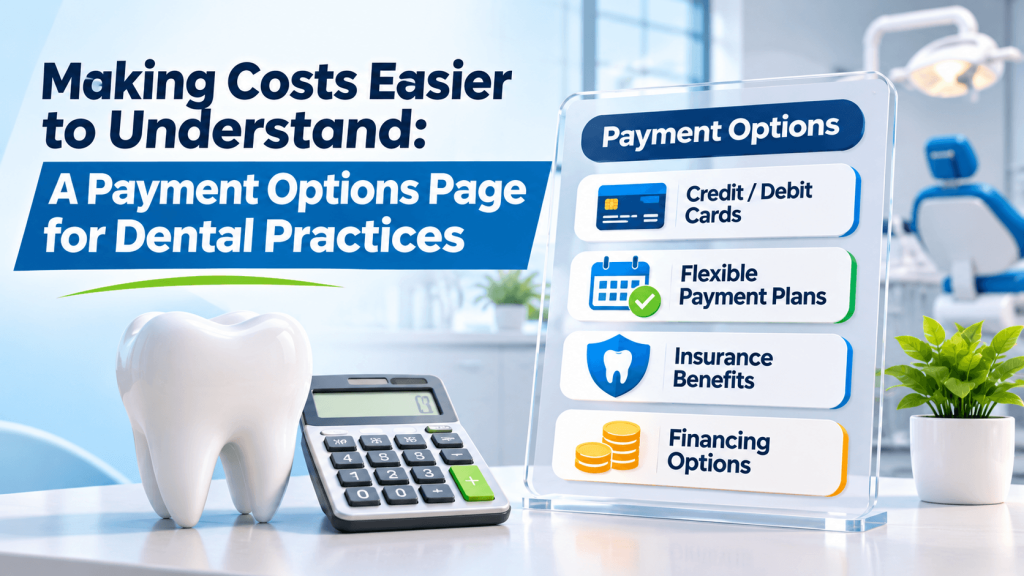 27Nov 2026Blog
Cost is a major barrier to dental care. Learn how practices can explain payment options, financing, and insurance clearly so patients can…
Read More