
 27Nov 2026Blog
Prepared Before the Storm: Seasonal Risk Guides for Insurance Agencies
Storms, freezes, and wildfire season bring real risks. Learn how insurance agencies can publish helpful seasonal guides that inform clients and build…
Read More
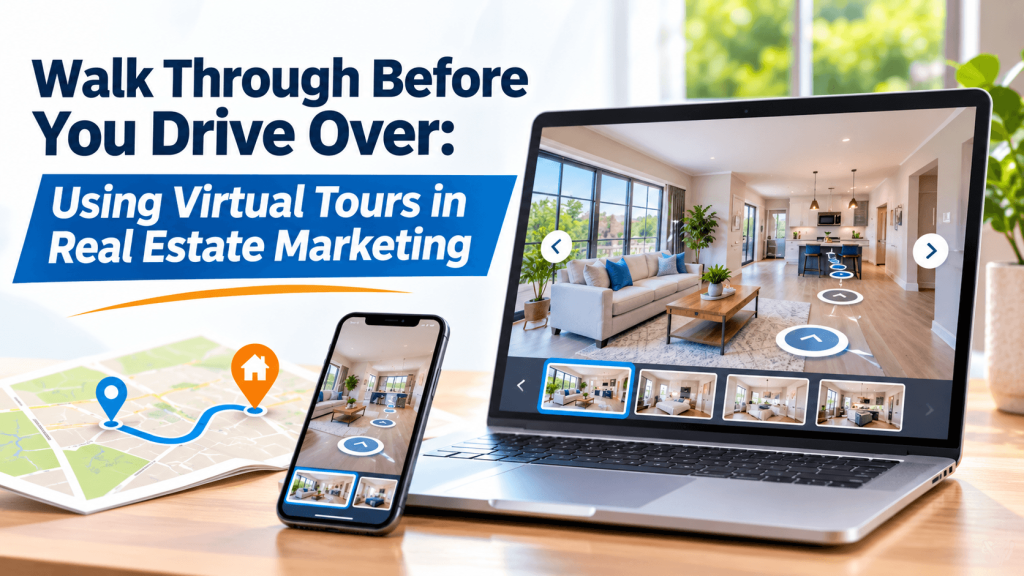
A buyer relocating from Seattle to Raleigh can’t fly out every weekend. She narrows her list using listing photos, but many homes look different in person. When one agent’s listings include 3D walkthroughs and short video tours, she can explore layouts, check how rooms connect, and plan a single trip to see her top three choices.
Virtual tours have become a common part of real estate marketing. Used well, they save time for buyers, sellers, and agents.
Agents typically choose from a few formats:
Each format suits different properties and audiences. Live video showings, for example, let remote buyers ask questions in real time.
Virtual tours should represent the property honestly. Avoid wide-angle distortion that makes rooms look larger, and don’t hide issues buyers would expect to see. Virtually staged images should be clearly labeled, and many MLS rules require disclosure of virtual staging.
Protect seller privacy too. Remove personal photos, documents, and valuables from view before filming, and avoid showing security system details. Schedule filming when the home is tidy and well lit, and walk through the space with the seller first so nothing personal ends up on camera.
Add virtual tours to property pages on your website, listing portals, and social media, and mention them in email updates to buyers. A page showing your virtual tour approach can also help sellers see how you’ll market their home.
Directories help clients find agents who use modern marketing tools. A general directory such as Sezza includes a Real Estate and Property category where people compare agents and property businesses, and it shows how others describe their services. Mention virtual tours in your listing description if you offer them, and keep contact details consistent.
A common mistake is letting virtual tours replace due diligence. Encourage buyers to visit in person or arrange an inspection before making final decisions.
Virtual tours make it easier for buyers to explore homes and for sellers to reach more people. Keep tours accurate and respectful of privacy, and share them across your website, profiles, and listings like Sezza.
No. Virtual tours help buyers narrow their options and understand layouts, but they can’t show everything, such as noise levels, smells, or the feel of the neighborhood. Most buyers still visit in person or rely on a trusted representative and a professional inspection before buying.
Virtual staging is common, but it should be clearly disclosed, and many MLS rules require labeling. Use it to show how spaces could be furnished, not to hide flaws or change permanent features, and include unstaged photos so buyers can see the actual condition.
Many agents hire photographers who use dedicated 3D cameras, while others use smartphone apps for simpler tours. The right choice depends on the property and budget. Test the results before publishing, and make sure tours load smoothly on phones and tablets.
Ask sellers to remove personal photos, mail, medications, valuables, and anything that reveals security details before filming. Avoid showing house numbers or license plates. Review the finished tour before publishing and edit out anything sensitive. Share the final version with the seller for approval.

Practical guides to finding and choosing trusted local businesses.
27Nov 2026Blog
Storms, freezes, and wildfire season bring real risks. Learn how insurance agencies can publish helpful seasonal guides that inform clients and build…
Read More 27Nov 2026Blog
Many drivers don't know the difference between OEM and aftermarket parts. Learn how auto shops can explain parts choices clearly and build…
Read More 27Nov 2026Blog
Cost is a major barrier to dental care. Learn how practices can explain payment options, financing, and insurance clearly so patients can…
Read More